US Tightens H-1B Scrutiny as Labor Department Expands Fraud Probe
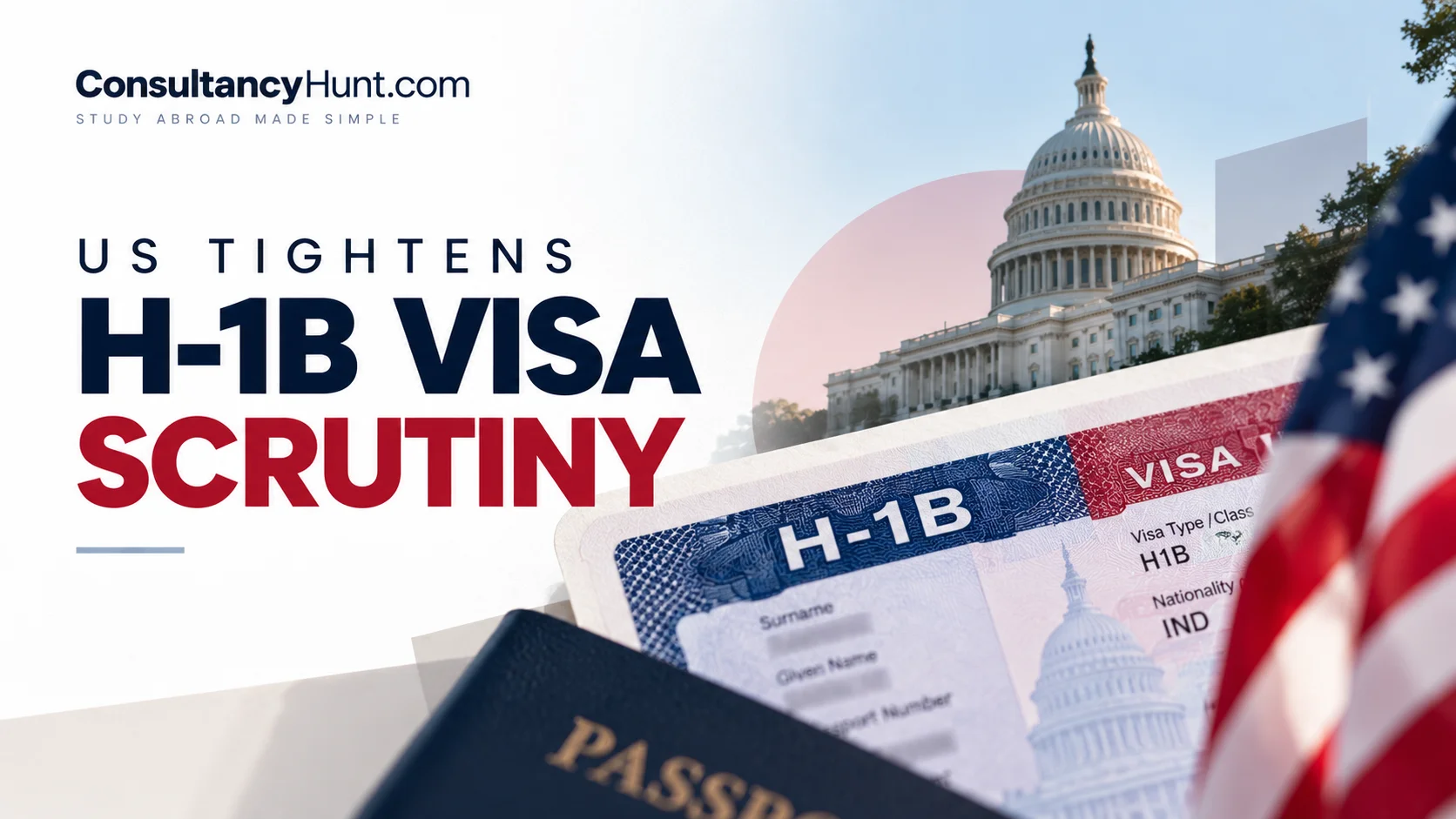
Two developments landed in the same week. On September 18, 2026, President Trump signed an executive order telling federal agencies to weigh an employer's layoffs when reviewing H-1B cases. The same day, the Labor Department's Office of Inspector General described an expanding investigation into alleged visa fraud, and Inspector General Anthony D'Esposito later said the foreign labor visa system could look very different within a year. Neither step abolishes the H-1B, but together they point to closer checks on employers who sponsor foreign workers.
What the Executive Order Does
The order directs the State, Labor and Homeland Security departments to consider whether a sponsoring employer laid off workers in the previous year, or plans layoffs, that affect similarly situated US workers. Agencies are to apply that test at several points: the labor condition application (LCA), the H-1B petition, the visa application and entry into the United States.
The order also looks backward. Within 30 days, the Labor Department's Wage and Hour Division must begin reviewing data from LCAs that employers have already filed, to decide whether further action is warranted. Since the order was signed on September 18, that review should begin by mid-October.
What the Order Does Not Say
The order does not ban employers from laying off US workers and later sponsoring H-1B workers. It also does not state that a layoff leads to an automatic denial, and immigration lawyers note that several key terms, such as what counts as "similarly situated", are left undefined. Attorneys quoted in trade coverage expect employers with recent or planned layoffs to face more requests for evidence from USCIS.
What the Inspector General Said
In an interview posted on X, D'Esposito said the foreign labor visa program will look "very different" a year from now. He described the investigation as more than a paperwork issue and said his office is building a case involving alleged fraud, worker exploitation and possible human trafficking.
On September 18, the Labor Department reported dozens of subpoenas and search warrants at multiple locations. It also said visa applications involving Cognizant and Cloudera had been suspended pending a criminal investigation. A suspension is not a finding of wrongdoing, and the investigation is still open. D'Esposito did not say the H-1B program would be abolished.
Restrictions Already in Place
The new order sits on top of earlier measures. The administration has extended restrictions on the entry of certain H-1B workers through September 21, 2027. Under that proclamation, covered petitions for workers outside the US generally require a $100,000 payment, with some exceptions. The White House says H-1B registrations from the largest US IT outsourcing firms fell 92 percent after the earlier restriction, though that figure comes from the administration itself.
Confirmed and Not Yet Known
| Item | Status |
|---|---|
| Executive order signed September 18, 2026 | Confirmed |
| Labor Department review of past LCAs within 30 days | Confirmed in the order |
| Layoffs leading to petition denials | Not stated in the order |
| Cognizant and Cloudera application suspensions | Reported from a Labor Department statement, investigation ongoing |
| How the program will look in a year | The Inspector General's forecast, no specific rule announced |
What This Means for International Students
Many students who study in the US aim for the usual route of F-1 study, then OPT, then an H-1B petition filed by an employer. The employer is the party under review in the new order, so the risk for students is indirect. A company with recent layoffs may hesitate to sponsor, or may face slower processing and more questions when it does. Petitions for workers abroad may also be affected by the $100,000 payment, so students should ask an immigration attorney whether their own case is covered.
None of this closes the path, but it makes sponsorship less predictable. Students weighing the US against other destinations should treat post-study work rights as one of the main factors in that comparison. Many US universities still consider SAT scores, so SAT preparation is worth starting early if you are applying for undergraduate study.
Practical Steps
- Ask prospective employers about their H-1B sponsorship history and whether they have had layoffs in your field.
- Keep copies of your job offer, wage details and role description, since LCAs and petitions are under closer review.
- Start conversations about sponsorship early in your OPT period, not near its end.
- Prepare a backup plan, such as another visa category or another country with clearer post-study work rules. A strong IELTS score keeps several of those destinations open.
- Check official sources from USCIS and the Department of Labor for updates, since guidance may change as the 30-day review begins.